Blind vs Seen in Teen Patti
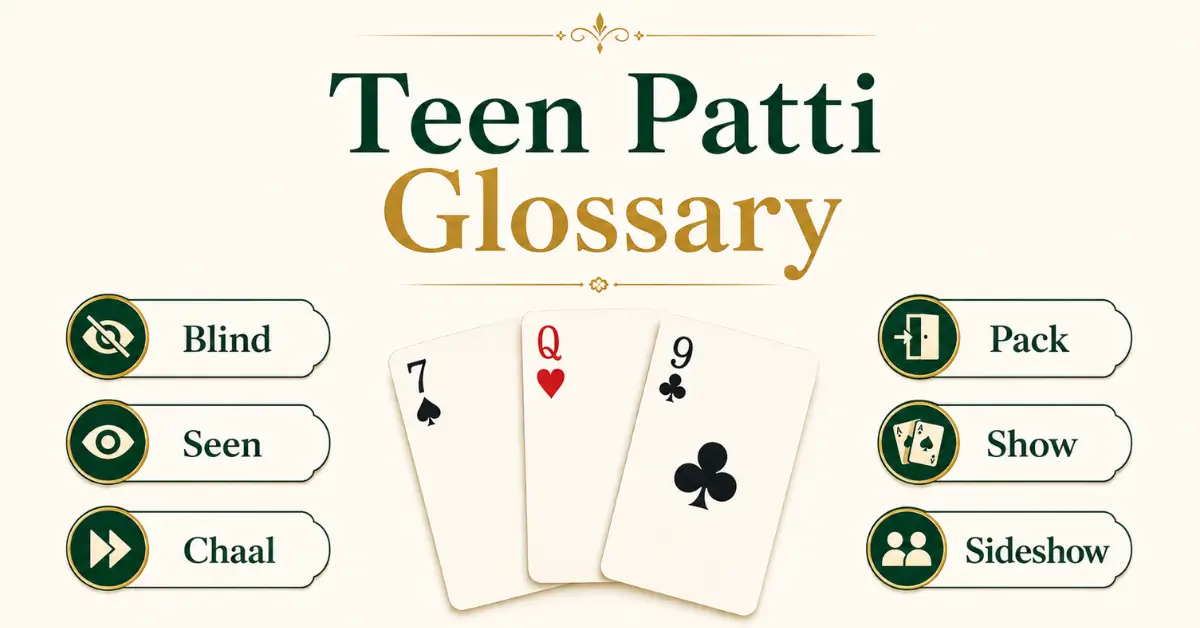
Blind vs seen in Teen Patti describes whether a player has looked at their three cards. It does not describe whether the hand itself is strong or weak. Understanding this distinction is important because many Teen Patti tables apply different betting requirements to blind and seen players.
What Is a Blind Player?
A blind player continues without looking at the three cards dealt to them. This means the player is making decisions without knowing the actual hand. Being blind does not improve the cards or change their final ranking.
What Is a Seen Player?
A seen player has looked at their cards. Once a player views the hand, that player is treated as seen for subsequent action under common rules.
Can a Blind Player Become Seen?
Commonly, yes. A player who began blind may choose to look at the cards and then continue as a seen player. The exact timing and betting amount after doing so should follow the table rules.
Do Blind and Seen Players Bet Different Amounts?
Often they do, but there is no single stake formula that should be assumed for every Teen Patti game. Apps and tables can define their own minimum and maximum relationships. Always use the displayed rules for the game you are actually playing.
Does Blind Play Change Hand Rankings?
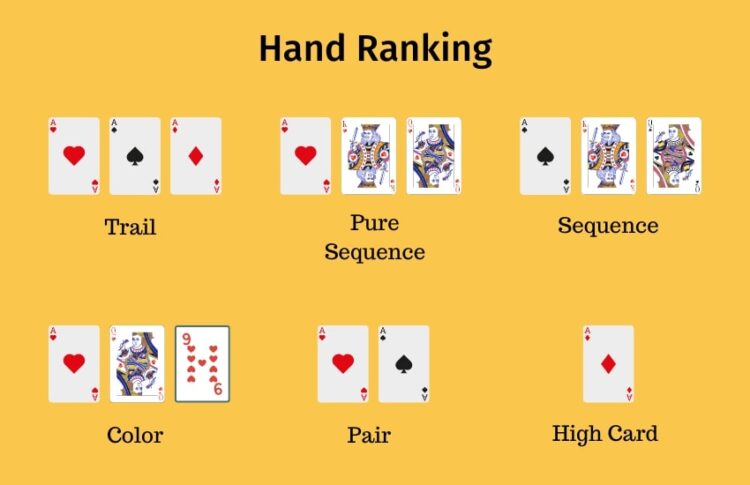
No. The final three-card hand is still evaluated according to the applicable hand rankings. Blind and seen are playing states, not hand categories.
Blind vs Seen and Sideshow
Sideshow rules commonly depend on player status, but eligibility varies. Some rule sets restrict sideshow requests to seen players and impose additional conditions. Check the specific rules instead of assuming a sideshow is always available.
Common Misunderstandings
- Blind means weak: false. A blind player's cards can form any hand category.
- Seen means stronger: false. Looking at the cards does not change them.
- Betting amounts are universal: false. Table limits and blind/seen stake rules can vary.
- You remain blind after viewing the cards: normally false; viewing the cards changes the player's status to seen.
Responsible Play
Playing blind increases uncertainty because you do not know your own cards. It does not create a guaranteed advantage. If playing for money, use fixed limits and avoid increasing stakes to recover previous losses.